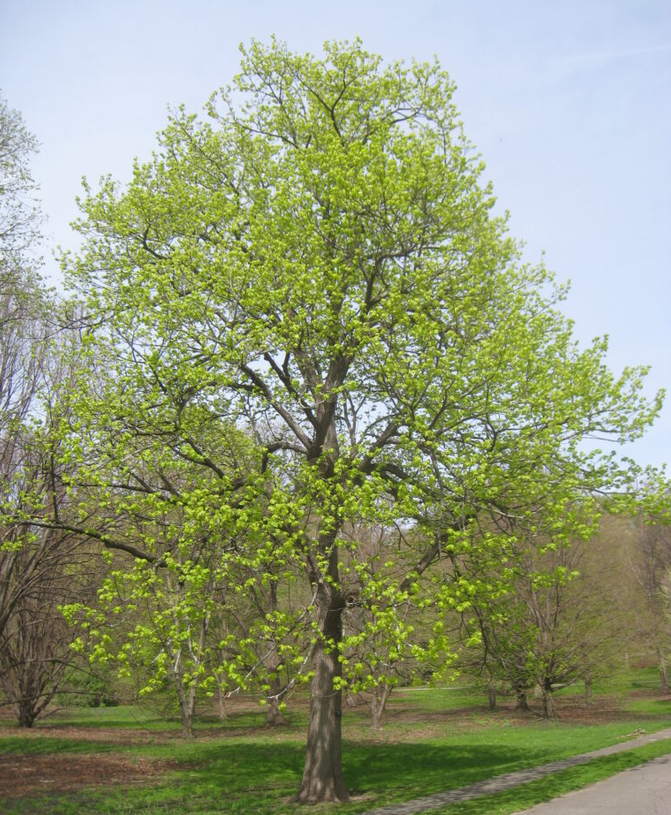
Quick Take: Cities across North America have undergone a dramatic shift in how they grow. A model of development has arisen that fools city administrators and councils into thinking that all growth is good, and that far-flung, car dependent sprawl is every bit as good as compact, walkable city centres and near-centre neighbourhoods.
An allegory:
Imagine your city is a green and flourishing tree. It delights you as it reaches up and fills out, providing visual beauty, privacy, shade, and offering habitat for birds in season. But after several years you notice that something odd is happening. The tree is sprouting new, unnaturally thin and long branches that have only a third of the leaves of normal branches. The tree is no longer pretty, and it appears that the new branches are depleting the tree of its resources. In fact, you can see leaves on the original branches curling and turning yellow. In concern you call an arborist friend to come and have a look.
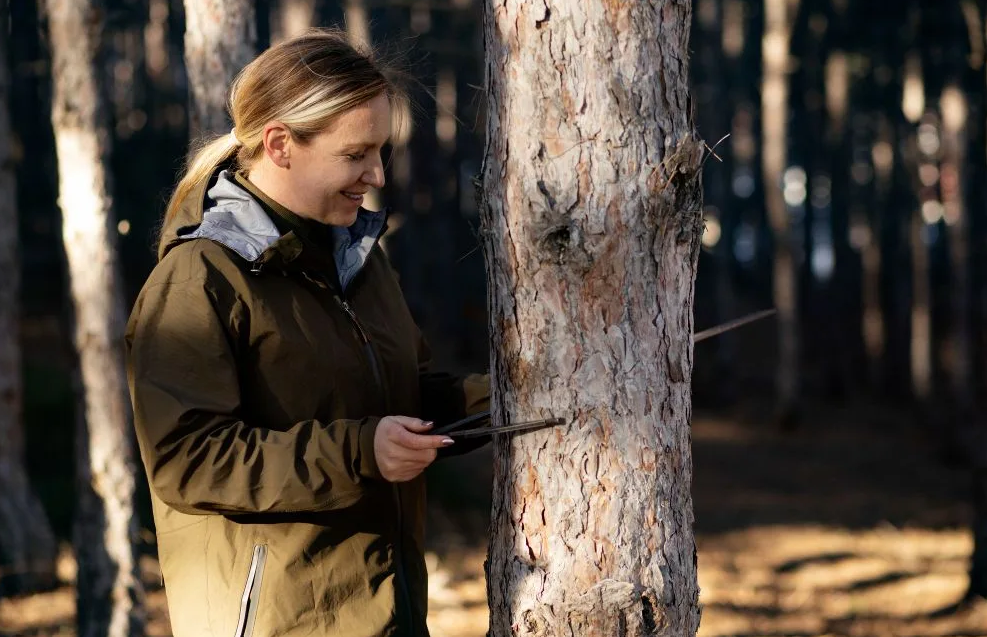
After a careful examination, they tell you what is happening to your tree and what must be done to save it:
- The tree has a disease called Incrementum Insanum, or in plain English, “crazy growth”. The disease is caused by a parasite that tricks the tree to divert all its energy into new, rapid, low-quality growth. It will eventually kill the tree, but while alive it provides the parasite with access to high volumes of nutrients.
- To save the tree, you need to act decisively, by cutting off any new “crazy” sprouts and suckers before they take off. You also must consider pruning back the new “crazy” branches. But most importantly you need to go to where the parasite hides, at the base of the tree trunk. Here you will find the initial wound that allowed the parasite to enter and gain control over your tree’s natural growth mechanisms. This diseased pocket must be removed, as it holds the parasite’s hormone pump, the means it uses to fool the tree into crazy growth.
Your knowledgeable friend concludes her survey of your tree and has one piece of good news. Because your tree is relatively young, strong corrective action will give it a fair chance of recovery. In older trees where the parasite has enjoyed decades of control, recovery is less assured, as the tree’s roots and nutrient distribution systems are often too weak to recover.
In the analogy above, the young tree is Steinbach, the disease’s mechanism of death is creating unsupportable growth, and parasitic control is the current model of zoning and development that provides developers with incentives to build sprawl. The roots and nutrients are city residents and the taxes we pay to maintain services. The ‘initial wound’ is our 1950’s obsession with cars that reshaped North American urban design and fated us to build suburbs, bleak high-volume Highway 12s lined with fast food joints, big box stores and enormous parking lots so we could store our cars. The wound changed how we live, think and shop.
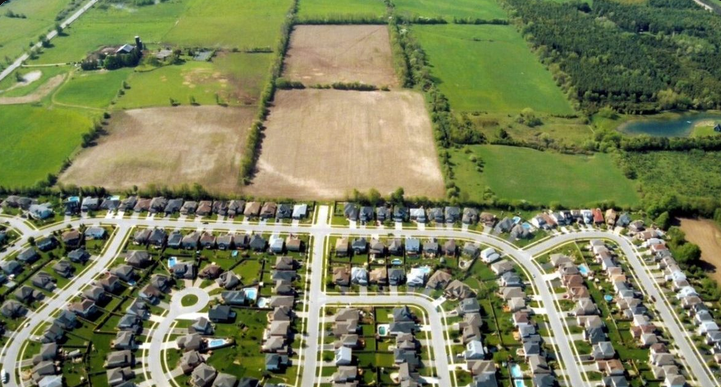
As older cities like Winnipeg amply illustrate, unchecked sprawl puts money into developer pockets while creating unmanageable infrastructure debts. The consequences are not trivial. Winnipeg now lacks the funds to replace sewers, water mains and broken roads in a timely way. It has an unfunded infrastructure liability of over 3.2 billion, has maxed out its borrowing, and is facing terrible choices over where to allocate its dwindling budget. Do you abandon aging bridges, close public pools, shutter libraries, reduce transit and curtail a dozen other amenities that make a city a worthwhile place to live? In Winnipeg the answer is yes, and this affirmation of helpless decline can only be followed by a thousand more cuts.
We’ve created a suburban sprawl machine perfectly designed to create insidious, incremental decline. It takes decades to become obvious and once it comes into clear view it’s almost impossible to stop. It’s a rare politician who has the know-how or the strength of character to confront the causes of city dissipation. And that is why citizens must play an outsized role in saving their communities. It will be well-informed citizens, willing to engage respectfully and steadfastly who will ultimately stop the sprawl machine.
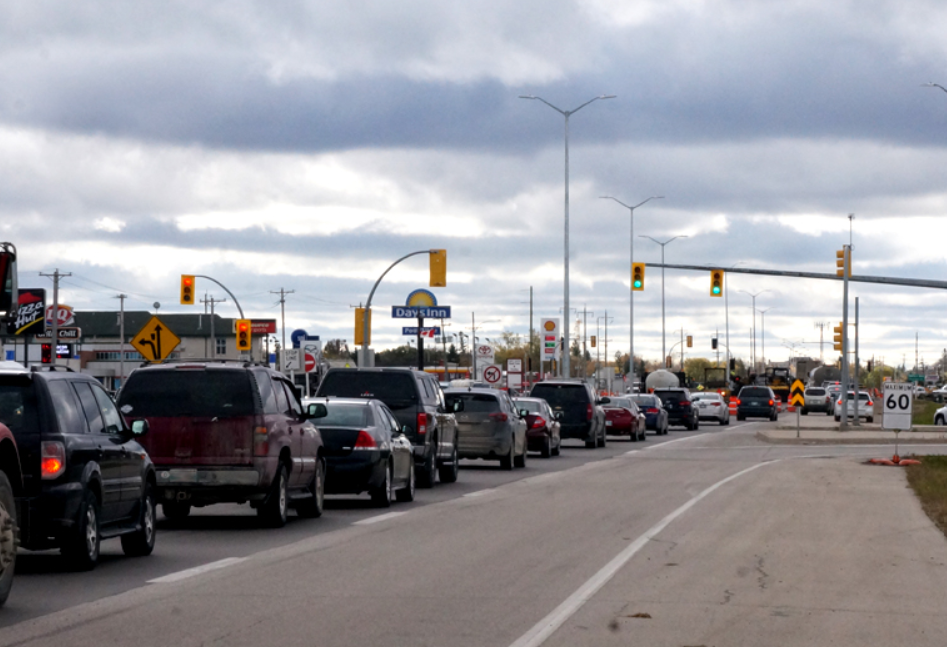
So, the next time you drive north on Highway 12, a provincial trunk highway, recall the allegory at the start of this blog. Look at the signs of sprawl now stretching three miles north from Park Road and consider your part in what comes next. Do we surrender to bad growth, or will we fight to save our community? I hope you decide it’s worth the fight. If you do, join us!