
As a child of suburbia, I know something about grass and lawns. By age 12 I was fully responsible for our half acre of Kentucky Bluegrass. Twice a week (or more often if it was just fertilized), I would pull the mower out of the garage, fill it with gas, check the oil, push the throttle control to “fast rabbit”, and then put every ounce of my stick person strength into pulling the starter cord.
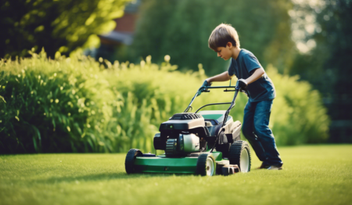
I hated our lawn for what it did to my free time, those weekends and evenings, sucked into the mindless abyss of leaded gasoline fumes and 22-inch strips. There was always that brief sense of accomplishment and pride, looking over the tidy green sea I had just created. But it was snatched away by the knowledge that the lawn was already bolting upward the very minute the mower blades ceased spinning.
Every unfettered hour of my summer, spring and fall, was spent in the 200-acre wood, just steps from my back door. If the lawn was a jail sentence, and my father the prison warden, those hours of exploring and playing with friends in the ‘bush’ were deep therapy sessions. The bugs, plants, water creatures, birds, meadows and forests were a restorative balm. In the evenings, fireflies would emerge, and the deep resonance of bullfrogs would call a new cast of characters onto the woodland stage. I can honestly attribute every creative idea and healthy inclination to the power received in that natural wonderland.
Today, the whole area is a mind-numbing suburb of big homes with perfect lawns. Do the 12-year-olds who live there have any idea how much magic was buried just below the lawns they mow?
Years have gone by and my resentment to suburban grass has persisted. In my adulthood I’ve tried to follow the example of my lawn loving neighbours, but a subversive woodland pixie, stuck in my ear for years, is coaxing me to recreate the magic that was lost. It started subtly; I stopped caring about having a perfect lawn, stopped fertilizing, weeding and watering. I inwardly smiled when an August drought turned it brown. Then in early 2021 as other people perfected their sourdough recipes, I killed my lawn. I smothered it under tarps, and a month later covered the remains with three layers of clean newsprint and 3″ of wood mulch. It was a lot of work, but oh my, it felt so good!
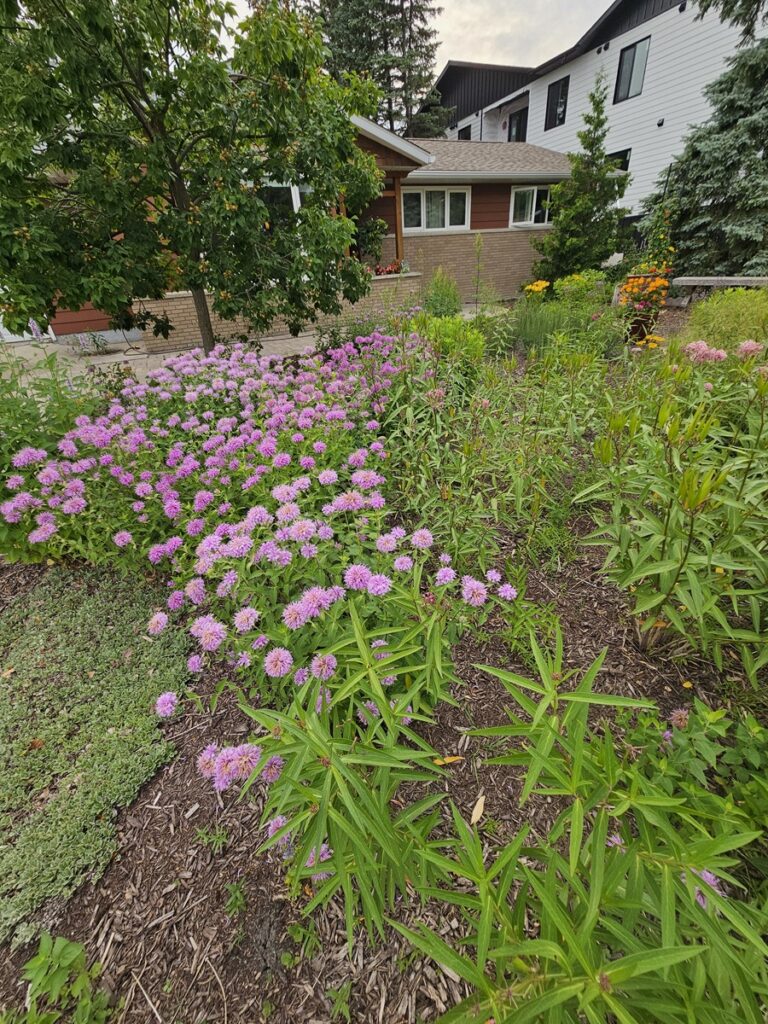
In June of that year, I received hundreds of plugs from a native plant nursery, finger sized baby plants representing dozens of different prairie grasses, native flowers, and shrubs. I cleared small patches of mulch and lovingly implored these pioneers to turn my desolation into joy. The pixie told it straight – the magic returned, at first slowly and then in a crazy cascade of colour, texture, and life. Three summers have passed and my yard is a daily ebb and flow of bumblebees, birds, butterflies, and new wonders whose names I’m discovering. Every day this lovely landscape invites me into joy.
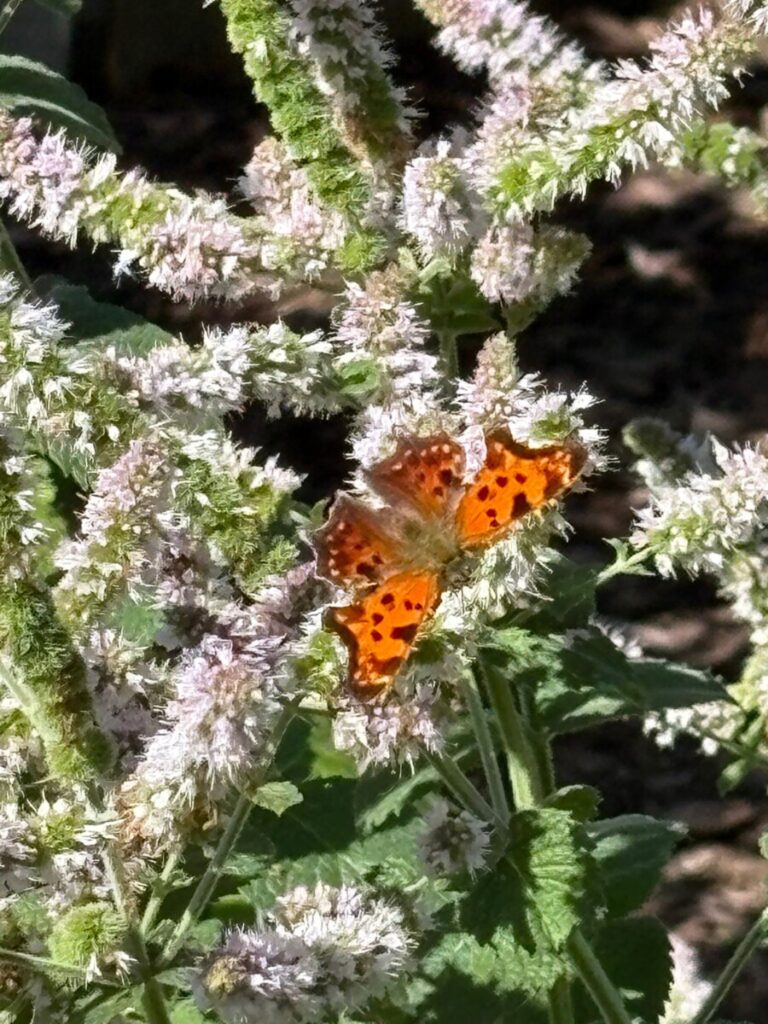
As an older me, I’m especially surprised by the reciprocity that a yard of native plants creates. Nature has a wonderful way of saying thank you. I had to find courage and work hard to make the change, but everything since has been an outpouring of gifts – astonishing, almost embarrassing in their volume and beauty. I know that getting rid of my lawn and making a habitat for native species is the right thing to do, especially with the dramatic declines in Monarchs and hundreds of other pollinators. But even if that wasn’t the case, this change is worthy all by itself – it has calmed me, while re-igniting curiosity, creativity and a desire to fall in love again with my true home – nature.
If you’re considering making your yard (or just a part of it) into a haven for nature, let me be your woodland pixie. I promise you’ll have fun and discover a wild new love that will energize your work. And if you need seeds, there’s a new seed library taking shape at the Jake Epp Library. But unlike their books, you can take these out for a couple years and there are no fines if you don’t bring them back!
So, go ahead, fall in love again, I highly recommend it!